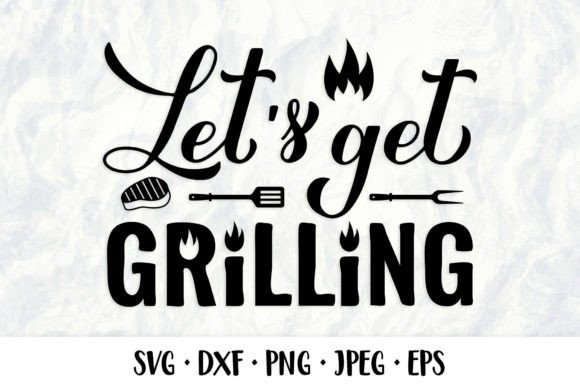
Let's Get Grilling SVG. BBQ Grill Quote
As a designer who spends more time troubleshooting stitch density than actually creating art, I approach every new download with a mix of optimism and skepticism. When Let's Get Grilling SVG. BBQ Grill Quote landed in my inbox, I didn't just see a cute graphic; I saw a potential bottleneck for a summer launch or a specific client order. The file comes as part of an Illustrations and Graphics bundle, promising versatility across DXF, PNG, JPEG, and vector EPS10 formats. But does it hold up when the needle starts moving? Let's walk through how this design behaves in a real-world embroidery project.
The First Impression: Mood and Layout
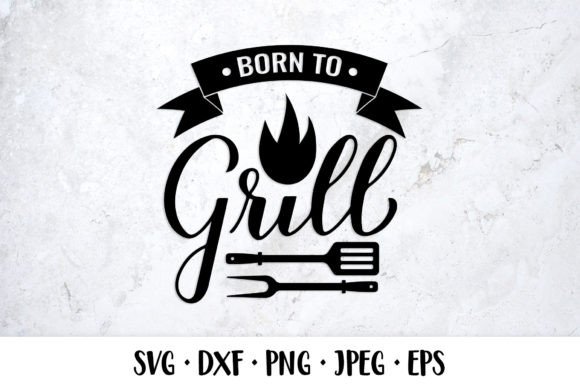
The moment you open the file, the vibe is unmistakably casual and fun. This isn't a corporate logo or a delicate heirloom piece; it is designed to bring energy to a kitchen towel or a weekend warrior's t-shirt. The layout relies heavily on the interplay between the text and the grill motif. For an embroidery designer, the immediate question is always about negative space. Does the design have enough room to breathe, or will it look like a cramped mess once stitched?
In this case, the spacing feels intentional. The quote Let's Get Grilling creates a natural arc that frames the central image, which suggests a solid foundation for a machine embroidery design. It feels right at home on a rustic apron or a denim jacket. The visual personality is bold and welcoming, perfect for a handmade product intended to spark conversation at a backyard barbecue or a local craft fair. It strikes a balance between being a statement piece and remaining versatile enough for various custom apparel items.
Real-World Application: From Digital File to Finished Product
I recently decided to test this design for a boutique client who wanted a line of personalized gifts for Father's Day. The goal was to create a set of embroidered patches for leather tool belts and large chest logos for heavy cotton sweatshirts. Using Let's Get Grilling SVG. BBQ Grill Quote as the base, I had to evaluate how the design would translate from a flat digital image into a textured fabric surface.
For the sweatshirt application, the design performed admirably. The lettering held its shape well against the fleece texture, and the fill stitches provided enough coverage to prevent the underlying fabric from showing through. However, the true test came with the patches. Here, the stitch density became critical. If the design includes too much detail in the grill grates or flame elements, the edges can become soft or fuzzy on a small patch. I found that reducing the stitch count slightly on the smaller details helped maintain crisp edges, making the final product feel more professional and less "home-made" in a sloppy way.
This same design could easily transition to a tote bag design or even baby embroidery on a onesie. The key is understanding that the visual appeal changes based on the thread colors used. A high-contrast combination, like bright orange flames on a navy background, makes the design pop, whereas low-contrast threads might cause the intricate parts of the grill to get lost. For an Etsy seller looking to expand their inventory, this is a strong asset because it fits multiple categories: holiday embroidery, commercial embroidery, and personalized products all at once.
Where to Exercise Caution
While the design is robust, there are specific scenarios where Let's Get Grilling SVG. BBQ Grill Quote might struggle if not handled with care. One major area to watch is small hoop sizes. If you attempt to stitch this on a 4x4 inch frame without resizing, the lettering might become too tight, causing the satin stitch to pucker the fabric. Always check the hoop size requirements before cutting your stabilizer.
Another tricky area is textured fabrics. While thick cotton works well, thin materials like silk or lightweight polyester blends can be problematic. The tension required to pull the threads tight might distort the fabric, leading to a wavy finish. Similarly, stretchy fabrics like jersey require a very stable backing; otherwise, the design will warp as the garment moves. If you are working on curved surfaces like caps, you need to ensure the digitizing accounts for the curvature, or the text will look distorted when viewed straight on.
Dense stitch areas are also a concern. If the original file has overlapping fill stitches, it can make the fabric stiff and difficult to wear, especially on baby clothes or items that need frequent washing. In these cases, switching some fill stitches to running stitches can add texture while maintaining flexibility. Finally, be wary of tiny lettering within the design. If the font is too thin, it may break during the stitching process or fail to cover the fabric adequately, resulting in a muddy appearance.
Practical Designer Notes for Success
Before you commit to a full production run or start selling finished items, there are several steps you must take to ensure quality. First, always test the design on scrap fabric. This simple step reveals issues with thread tension, stabilizer choice, and overall registration that you cannot see on a screen. Check the thread color contrast carefully; what looks good in a digital mockup might disappear on a dark fabric unless you use a high-quality underlay or a contrasting bobbin thread.
Review the stitch density settings in your embroidery software. If the design feels too heavy, reduce the density. If it looks sparse, increase it slightly. Confirm that the file works with your specific machine, although most modern machines handle standard vector files well. Inspect the small details closely after the first test run. Are the grill lines distinct? Is the text legible? If not, you may need to adjust the digitizing parameters.
It is also wise to test the design in black and white mockups. This helps you visualize the value and readability of the design without the distraction of color. Compare light and dark fabric backgrounds to ensure the design remains visible and attractive in both contexts. Use proper stabilizer—tear-away for stable fabrics and cut-away for stretchy materials—to prevent puckering and distortion.
Finally, confirm whether the design works for both personal and commercial projects. Many digital product sellers assume they can sell anything they buy, but licensing terms vary. Ensure you have the rights to sell the finished product if you plan to list it on Etsy or in a physical shop. Understanding these nuances separates a hobbyist from a professional.
Final Thoughts on Value and Trust
When executed correctly, Let's Get Grilling SVG. BBQ Grill Quote adds significant value to any handmade product. It signals to the customer that the maker understands design principles and cares about the final presentation. A clean, well-stitched embroidery builds trust and encourages repeat business. Whether you are creating a unique gift for a family member or building a brand for a small shop, this design offers a solid starting point.
By paying attention to fabric selection, stitch density, and testing protocols, you can turn a simple digital file into a premium finished product. The design captures the spirit of summer cooking and camaraderie, making it a timeless addition to any crafter's library. Just remember, the success of the project lies not just in the file itself, but in the care and expertise you bring to the machine.